
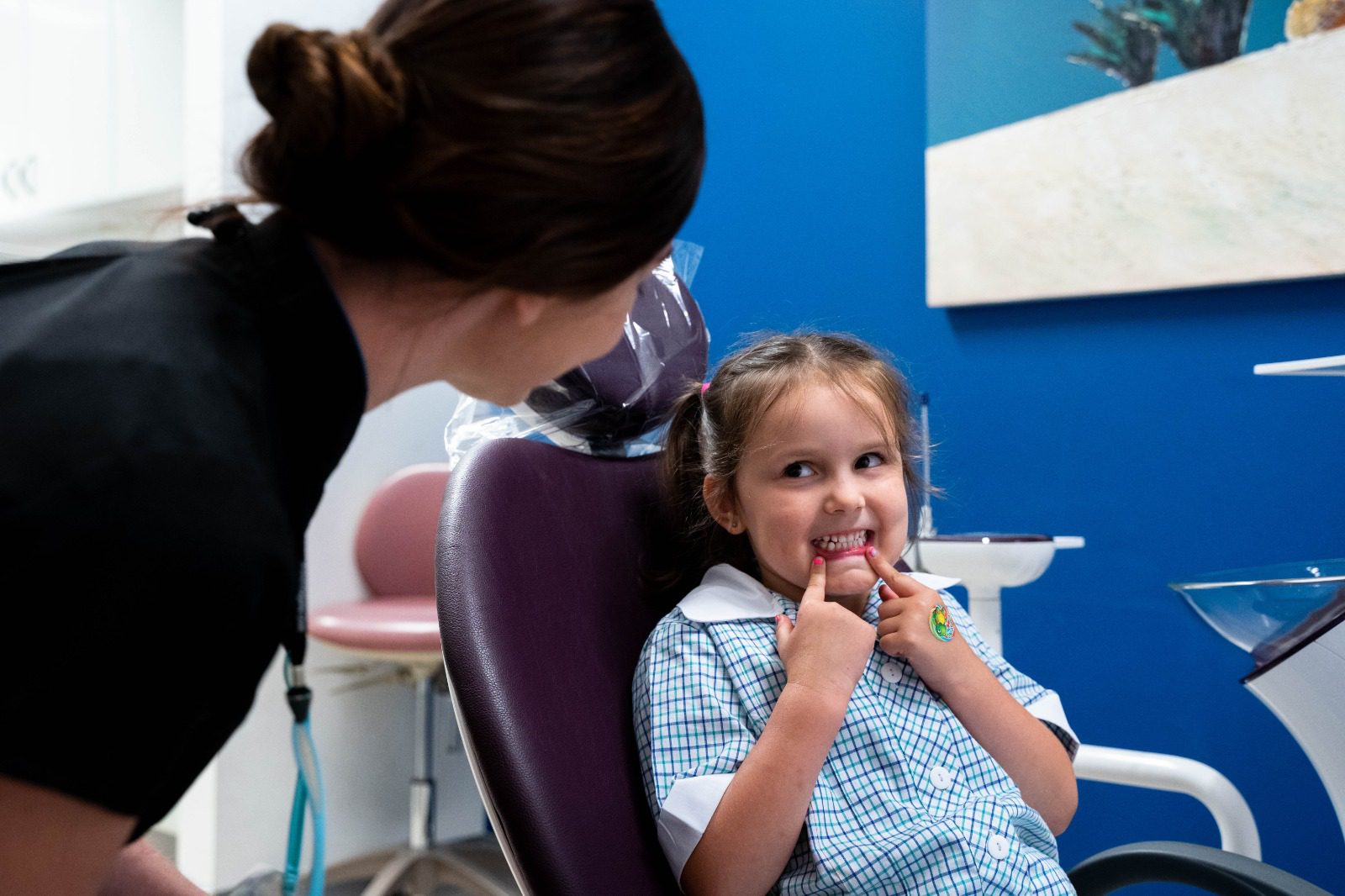

The Benefits of Invisalign for Children, and When It Isn’t the Right Choice
By Dr Henrry Mulla, BDS, MSc Oral Implantology | 29 September 2026
Most articles about the benefits of Invisalign read like a brochure. This one doesn’t. Invisalign is a very good tool for the right child. It’s the wrong tool for some. The difference comes down to a proper assessment, and to a child who is ready to wear aligners every day.
Here’s what parents should know.
What is Invisalign and how does it work?
Invisalign is a system of clear, removable aligners. Each set is shaped to move the teeth a small, planned amount. Your child wears one set, then moves to the next, step by step, until the teeth reach the planned position.
It starts with a digital scan, not messy impressions. From the scan, we build a 3D plan of how the teeth will move, stage by stage. You see the plan before anything is made. Only then are the aligners produced.
Aligners are usually changed every one to two weeks, depending on the plan. The number of sets depends on how much movement is needed. Some children need a few dozen, some need more.
Day to day, the big difference from braces is that aligners come out. Your child takes them out to brush, then puts them straight back in. There are no brackets or wires to work around.
Between visits, we use Invisalign Virtual Care. Your child takes photos of their teeth with a phone app, and we review progress remotely. We see them in person whenever it’s needed. Fewer trips out of school, with the same oversight.
What are the benefits of Invisalign?
For the right child, the main benefits are practical:
- Flexible at mealtimes. Depending on your child’s plan, we may advise keeping aligners in for some soft, non-staining foods, or taking them out. We’ll give you clear instructions from day one.
- Brushing and flossing are easier. Teeth can be cleaned properly, without working around wires.
- Sport is simpler. There are no brackets to cut the lips if a ball hits the mouth.
- They’re hard to notice. Many children care about this, especially in the teenage years.
- Fewer emergency visits. There are no broken brackets or poking wires.
The misconception parents should know
Aligners only work when they’re worn. Braces work around the clock, whether a child cooperates or not. Aligners sitting in a lunchbox move nothing. The main benefit of Invisalign is that it’s removable. That’s also its main risk.
Is Invisalign right for every child?
No. Invisalign can treat many common problems, such as crowding, spacing, some bite problems and crossbites. But it isn’t always the best option.
A child is a good candidate when
- The problem is one aligners handle well.
- Their teeth and jaws are at the right stage of development.
- They can wear the aligners 20 to 22 hours a day, and look after them.
Braces or another approach may be better when the bite problem is more complex, when certain tooth movements are needed that aligners handle less predictably, or when a child simply won’t wear them.
Age matters less than development. A seven-year-old with several adult teeth may be more ready than a ten-year-old with mostly baby teeth. And maturity matters as much as teeth. A child who loses their jumper every week will need more help from home.
Invisalign First and Invisalign Teen
These are two different systems for two different stages of development.
Invisalign First
Invisalign First is designed for younger children, usually around 6 to 10, who still have a mix of baby and adult teeth. The goal at this stage is often to guide development. For example, widening a narrow upper jaw, or creating space for adult teeth still to come.
Invisalign Teen
Invisalign Teen is for older children and teenagers who have most of their adult teeth. The aligners include features like space for teeth still coming through, and small indicators that fade with wear. Those indicators help us, and you, see whether they’re being worn enough.
When should a child have their first orthodontic assessment?
Around age 7 is a good time. By then, the first adult molars and front teeth are usually through, and early problems start to show.
What do we look at during an assessment?
Crowding and bite, of course. But at First Choice Dental in Narellan, that’s only part of it. We also look at how your child breathes, where the tongue sits at rest, how they swallow, and habits like thumb sucking or mouth breathing. These factors shape how the jaws grow. They also affect whether teeth stay straight after treatment. Dr Henry Mulla has 17 years of clinical experience in airway and jaw function, as well as advanced orthodontic training.
Does an early assessment mean treatment starts straight away?
No. Often the right answer is to wait and monitor. An early assessment tells us whether to act now, act later, or leave well alone.
What is treatment like for a child?
- Consultation and assessment. Examination, digital scan and X-rays as needed.
- Treatment plan. We show you the 3D plan and explain it in plain English, with fees confirmed before anything starts.
- Fitting. Your child receives their first aligners and learns how to wear and care for them.
- Reviews. Remote tracking through Invisalign Virtual Care, with in-person visits as needed.
- Retainers. Once the teeth are in position, retainers keep them there.
How many hours a day?
20 to 22 hours. Out only when we’ve advised, and for brushing.
What if an aligner is lost or damaged?
Call us. Depending on where they are in treatment, we may move them to the next set, go back to the previous one, or order a replacement. Don’t wait and hope.
What does it feel like at first?
Most children notice pressure for the first day or two of each new set. That’s the aligners working. A slight lisp is common in the first few days and usually settles quickly.
How long does treatment take?
It depends on the problem, the child’s growth, and how well the aligners are worn. Consistent wear is the one factor your family controls.
How does Invisalign fit into everyday life?
Can children eat and drink normally?
We’ll tell you exactly which foods are fine with aligners in, and when they should come out. Anything that stains, like curry, berries, tomato sauce or cordial, means aligners out. Always brush before putting them back in.
Cleaning and care
Brush teeth before putting aligners back in. Rinse and gently clean the aligners each day, as we’ll show you.
School, sport and holidays
A case always goes with them. At sport, a mouthguard may be needed instead, and we’ll advise on the best option. For holidays, we can plan around trips.
Musical instruments
Most instruments are fine. Wind and brass players may need a little time to adjust, and can take aligners out briefly to play, as long as daily wear time stays on track.
How parents can help
- Make aligners part of the routine, like brushing.
- Keep a spare case in the school bag.
- Never wrap aligners in a napkin. It’s the most common way they get thrown out.
- Check the wear indicators now and then, without turning it into a battle.
What should parents know before choosing Invisalign?
Parents often ask us how long it takes, whether it hurts, whether their child will actually wear them, and what it costs.
The cost depends on how complex the problem is, how long treatment runs, and how many aligners are needed. That’s why we don’t quote before an assessment. After the assessment, you get a written plan with fees, so you can decide with full information.
After active treatment, retainers are not optional. Teeth tend to drift back without them. Plan on retainers as part of treatment from the start.
If there’s one thing we’d want every parent to understand, it’s this: the best treatment starts with the right diagnosis. The aligner is just the tool. What matters is knowing why the teeth are crooked in the first place, whether it’s the right time, and whether your child is ready.
Book an assessment in Narellan
If you’re wondering whether Invisalign is right for your child, start with an assessment. We’ll look at their teeth, bite, breathing and development, then explain your options in plain English, including when the right answer is to wait.
Book online, or call First Choice Dental in Narellan on 02 4647 4570.
Book an Appointment
by calling us on 02 4647 4570
Our Location
Suite 3, 20 Somerset Ave Narellan NSW 2567