

Temporomandibular Disorder (TMD): Symptoms and Causes
Jaw discomfort can affect more than just eating or speaking—it can disrupt sleep, concentration, and overall wellbeing. Many people experience jaw pain or clicking sounds without knowing what is causing it. If left unaddressed, these symptoms can worsen over time and begin to interfere with daily life.
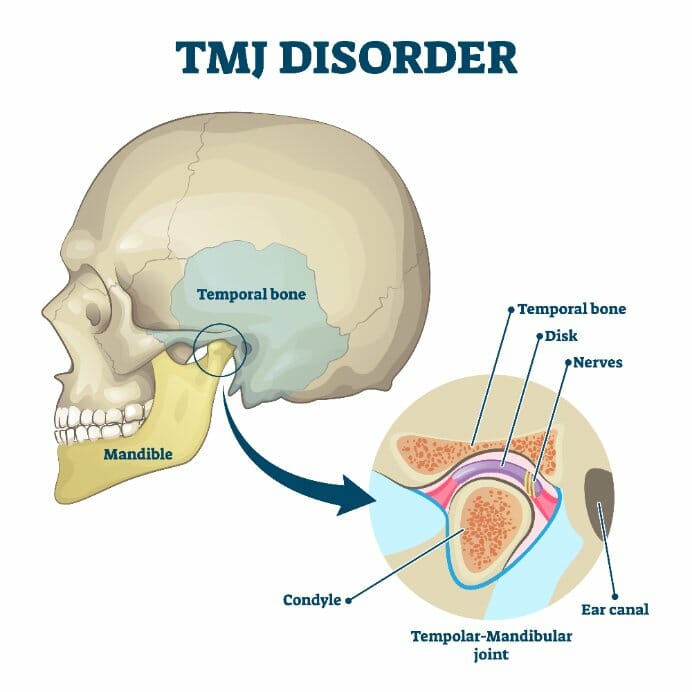
At First Choice Dental, many patients are surprised to learn that their jaw discomfort is linked to Temporomandibular Disorder (TMD). Many people also confuse TMD with TMJ. The TMJ is the jaw joint itself, while TMD refers to the group of disorders that affect that joint and the surrounding muscles. When the jaw joints and muscles do not work smoothly together, symptoms can develop—and they can vary from person to person.
This guide explains what temporomandibular disorder is, common TMD symptoms, likely causes, and when professional advice may be needed.
How Temporomandibular Disorder Affects Jaw Movement
TMD is a term used to describe problems involving the jaw joints and the muscles that control jaw movement. These joints sit just in front of the ears and allow the mouth to open, close, and move smoothly.
When these joints or muscles are strained, inflamed, or not moving correctly, everyday actions like chewing or talking may become uncomfortable. These jaw-related conditions are often shortened to TMD. If you’re hearing the term for the first time, it simply refers to problems affecting jaw movement and comfort

In simple terms, it refers to issues that affect normal jaw movement and comfort.
What Does TMD Mean in Everyday Life?
For patients who ask what TMD refers to, they are often trying to understand why routine activities feel different or painful. This disorder can affect:
- Chewing food
- Yawning widely
- Speaking for long periods
- Opening or closing the mouth fully
- Since the jaw is used constantly throughout the day, even mild joint or muscle problems can quickly become noticeable.
Common TMD Symptoms to Be Aware Of
Jaw‑related symptoms can vary from person to person and may develop gradually or appear suddenly. Some people notice discomfort occasionally, while others experience it more consistently.
- Common TMD symptoms include:
- Jaw pain or tenderness
- Tightness in the jaw or face
- Headaches linked to jaw tension
- Difficulty opening the mouth fully
- Pain that spreads toward the ears, neck, or shoulders
These symptoms may occur on one side of the face or on both sides, depending on the cause.
What Causes Temporomandibular Disorder?
There is rarely a single cause behind jaw discomfort. In most cases, symptoms develop due to a combination of factors, such as:
- Sleep disordered breathing (including OSA): Sleep breathing problems can increase jaw muscle activity and sleep bruxism, leading to greater strain on the TMJ and worsening TMD symptoms. If patients report loud snoring, witnessed pauses in breathing, or daytime sleepiness, consider screening for a sleep breathing disorder alongside dental evaluation.
- Teeth grinding or clenching, especially at night
- Ongoing jaw muscle tension
- Injury to the jaw or face, such as a blow to the face
- Poor posture affecting the neck and jaw
- Stress that leads to muscle tightness
- Connective tissue disorders in some cases
Identifying contributing factors helps guide the most appropriate next steps for managing discomfort.
Common Risk Factors and Triggers for TMD
- Obstructive sleep apnoea (OSA) or upper airways obstructions.
- High stress levels and anxiety
- Sleep bruxism (nighttime grinding)
- Previous jaw injury or dental procedures
- Arthritic conditions such as osteoarthritis or rheumatoid arthritis
Is Temporomandibular Disorder a Serious Condition?
For many people, jaw discomfort is manageable and does not lead to long‑term damage. Symptoms may improve with simple adjustments, such as reducing jaw strain or becoming more aware of clenching habits.
However, ongoing or worsening jaw pain should not be ignored. Persistent discomfort can affect sleep quality, concentration, and daily activities, making early assessment important.
How Temporomandibular Disorder Is Assessed
Assessment focuses on how the jaw moves, where discomfort is felt, and whether certain habits may be contributing. A visit to a dentist in Narellan can help determine whether jaw alignment, muscle tension, or bite issues are playing a role.
The process is gentle and focused on understanding the underlying cause rather than rushing into treatment. It may include the following steps, depending on your symptoms and clinical findings:
- Clinical exam of the TMJ, jaw muscles, bite, and tooth wear.
- Imaging (X‑ray, CBCT, or MRI) if structural or disc problems are suspected.
- Conservative treatments first: jaw rest, soft diet, warm compresses, NSAIDs, guided jaw exercises, and a night guard for bruxism if indicated.
- Referral to a specialist (oral surgeon, orofacial pain specialist, ENT, or sleep clinic when needed.
Managing TMD Symptoms in Daily Life
Managing jaw-related symptoms often begins with reducing strain on the jaw. Many people find relief by:
- Avoiding excessive jaw movement
- Being mindful of clenching or grinding
- Using relaxation techniques for jaw muscles
These steps aim to support natural jaw movement and reduce ongoing tension.
When to Seek Professional Advice for TMD
See your dentist when any of the following apply:
- Clicking or popping that is new or getting worse, Delaying evaluation and management of new or worsening TMD symptoms can allow pain and dysfunction to become more frequent, persistent, and harder to treat.
- Jaw pain or tenderness with the clicking.
- Reduced jaw opening or episodes of locking (jaw stuck open or closed).
- Changes in your bite, difficulty chewing, or noticeable tooth wear (possible bruxism).
- Symptoms that persist beyond a couple of weeks despite simple self‑care.
- Severe pain, swelling, fever, or signs of infection after trauma.
- Inability to open or close your mouth or sudden, severe change in bite.
Should You Address TMD Symptoms Now?
Living with jaw discomfort can be frustrating, especially if the cause is unclear. Learning the meaning of TMD and its symptoms can help you decide whether further evaluation is appropriate.
At First Choice Dental, we understand how disruptive jaw pain and dysfunction can be. Our dental team focuses on identifying the true cause of your TMD symptoms early, before the problem progresses. When pain is already present, we have a very high success rate in reducing – and often eliminating – discomfort through evidence‑based, conservative care.
Book an Appointment
by calling us on 02 4647 4570
Our Location
Suite 3, 20 Somerset Ave Narellan NSW 2567